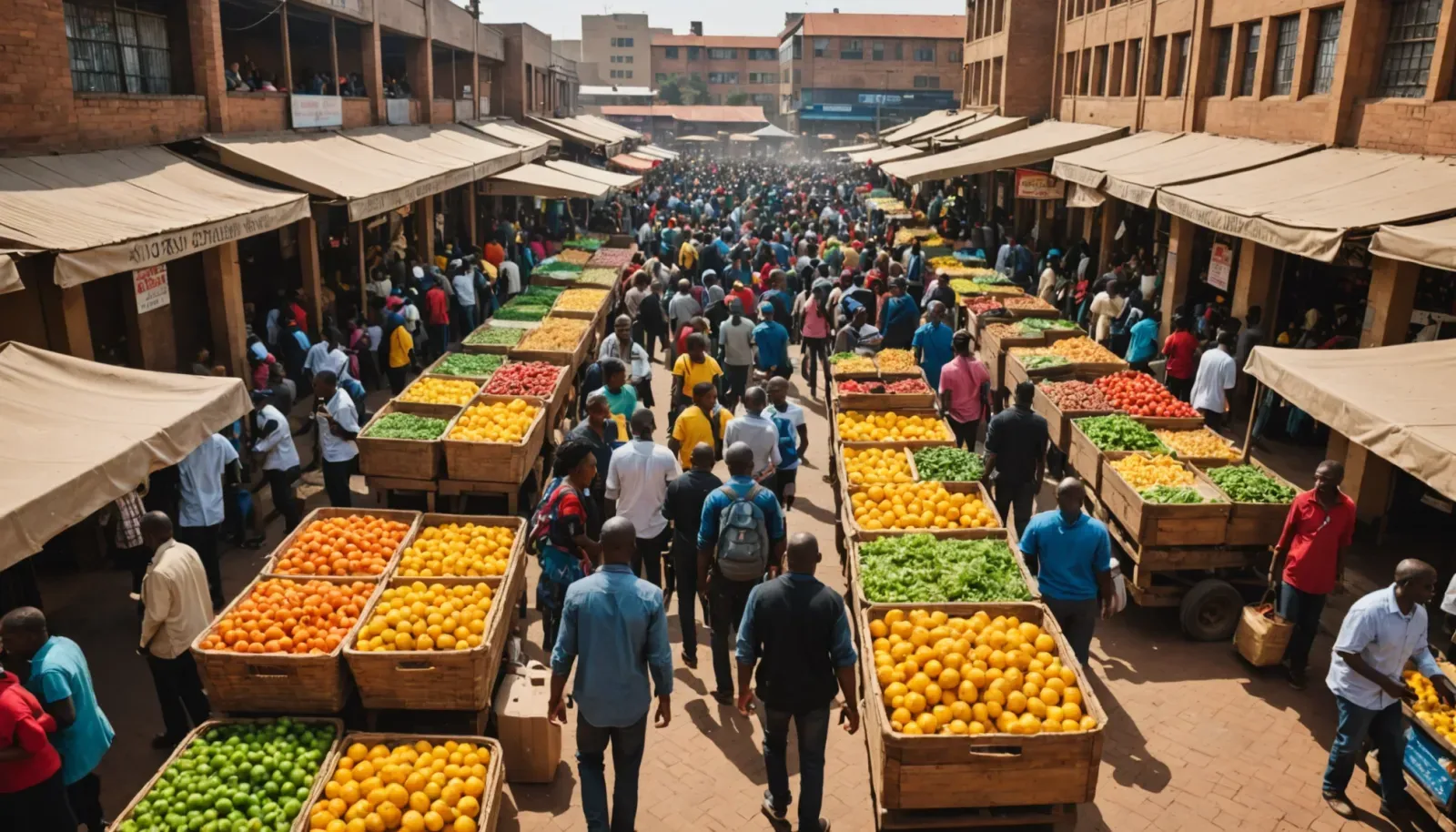
Cities in Africa are evolving rapidly, driven by a wave of innovation and technology that promises to reshape urban living. As I explore the landscape of african smart city technology, I see a future where cities are not just places to live but hubs of efficiency, sustainability, and opportunity. This transformation is powered by smart city technologies that address unique challenges faced by African urban centres, from traffic congestion to energy management and public safety.
The integration of digital solutions into city infrastructure is no longer a distant dream. It is happening now, and it is changing the way people live, work, and interact with their environment. In this post, I will share insights into the key technologies driving this change, practical examples from across the continent, and how businesses and governments can leverage these innovations to build smarter, more resilient cities.
The Rise of African Smart City Technology: A New Urban Era
African cities are growing faster than anywhere else in the world. According to the United Nations, by 2050, Africa’s urban population is expected to triple, reaching nearly 1.3 billion people. This rapid urbanisation presents both challenges and opportunities. Smart city technology offers solutions that can help manage this growth sustainably.
At the heart of this transformation are technologies such as the Internet of Things (IoT), big data analytics, artificial intelligence (AI), and renewable energy systems. These tools enable cities to collect and analyse data in real time, improving decision-making and resource allocation.
For example, in Kigali, Rwanda, smart traffic management systems use sensors and cameras to monitor traffic flow and adjust signals dynamically. This reduces congestion and pollution, making the city more liveable. Similarly, Cape Town has implemented smart water management systems that use data analytics to detect leaks and optimise water distribution, crucial in a region prone to drought.
Businesses and governments can benefit immensely by adopting these technologies. They not only improve service delivery but also create new economic opportunities through innovation hubs and tech-driven enterprises.
Key Technologies Driving Smart City Development in Africa
Several technologies are at the forefront of the smart city revolution in Africa. Understanding these can help stakeholders identify where to invest and how to implement solutions effectively.
Internet of Things (IoT)
IoT devices are sensors and connected gadgets that collect data from the environment. In African cities, IoT is used for:
- Monitoring air quality and pollution levels
- Managing waste collection routes efficiently
- Tracking public transport vehicles to improve schedules For instance, Lagos, Nigeria, has deployed IoT-enabled waste bins that notify collection teams when they are full, reducing overflow and improving sanitation.
Big Data and Analytics
Data is the backbone of smart cities. By analysing large datasets, cities can predict trends, allocate resources better, and respond quickly to emergencies. Johannesburg uses big data analytics to monitor crime patterns and deploy police resources more effectively, enhancing public safety.
Renewable Energy and Smart Grids
Energy access remains a challenge in many African cities. Smart grids that integrate renewable energy sources like solar and wind help stabilise power supply and reduce reliance on fossil fuels. Nairobi’s smart grid projects have increased energy efficiency and lowered costs for residents.
Mobile Technology and Digital Services
Mobile penetration in Africa is high, making mobile platforms ideal for delivering smart city services. Mobile apps for paying bills, reporting issues, or accessing public transport information are becoming common, improving citizen engagement and convenience.
Artificial Intelligence (AI)
AI-powered systems assist in traffic management, predictive maintenance of infrastructure, and even healthcare delivery. AI chatbots in cities like Accra provide residents with instant information on municipal services, enhancing communication.
Practical Examples of Smart City Technologies in Action
Across Africa, cities are adopting smart technologies tailored to their specific needs. Here are some inspiring examples:
Smart Transportation in Johannesburg
Johannesburg has introduced a smart transport system that integrates GPS tracking, mobile ticketing, and real-time passenger information. This system has improved the efficiency of minibus taxis, which are a major mode of transport, reducing wait times and enhancing safety.
Water Management in Cape Town
Cape Town’s smart water meters and leak detection systems played a crucial role during the 2018 water crisis. By providing real-time data to both consumers and authorities, the city managed to reduce water consumption significantly, avoiding a complete shutdown.
E-Government Services in Kigali
Kigali’s e-government platform allows residents to access a range of services online, from business registration to paying taxes. This digital transformation has reduced bureaucracy and increased transparency.
Renewable Energy Projects in Dakar
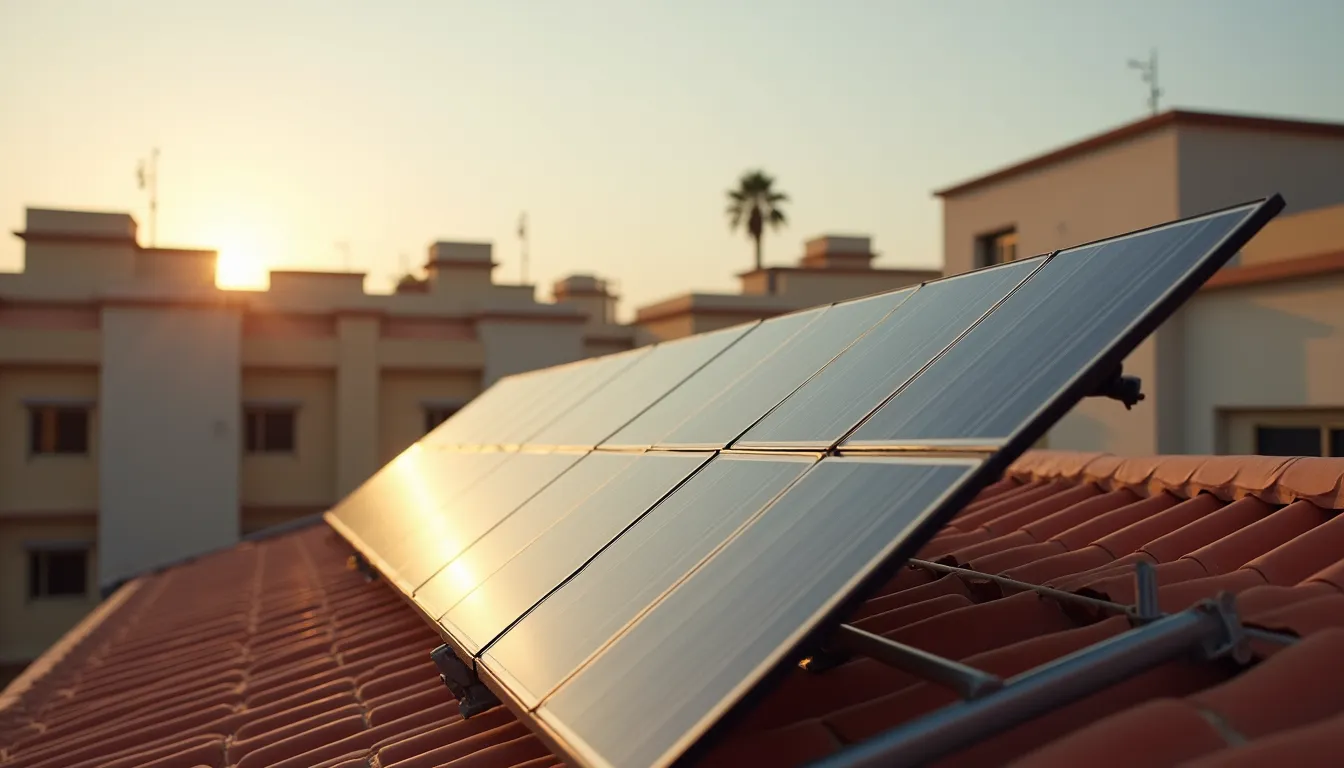
Dakar, Senegal, is investing in solar-powered street lighting and smart grids to improve energy access in underserved areas. These projects not only enhance safety but also create jobs in the renewable energy sector.
How Businesses and Governments Can Harness Smart City Technologies
For enterprises and governments aiming to lead Africa’s digital transformation, embracing smart city technologies is essential. Here are some actionable recommendations:
- Invest in Infrastructure
- Building reliable internet connectivity and sensor networks is foundational. Public-private partnerships can accelerate infrastructure development.
- Focus on Data Governance
- Establish clear policies for data collection, privacy, and security to build trust among citizens and businesses.
- Promote Local Innovation
- Support startups and tech hubs that develop solutions tailored to local challenges. This fosters sustainable growth and job creation.
- Engage Citizens
- Use mobile platforms and community outreach to involve residents in decision-making and service feedback.
- Leverage Partnerships
- Collaborate with international organisations, technology providers, and academia to access expertise and funding.
- Prioritise Sustainability
- Integrate renewable energy and green technologies to ensure long-term environmental and economic benefits. By following these steps, African cities can create ecosystems where technology drives progress and inclusivity.
The Future of Urban Living in Africa
The journey towards smart cities in Africa is well underway, but it is just the beginning. As technology advances and adoption grows, cities will become more interconnected, efficient, and responsive to the needs of their residents.
I am optimistic about the role of smart city technologies africa in shaping this future. These innovations not only solve immediate urban challenges but also unlock new opportunities for economic development and improved quality of life.
The key to success lies in collaboration, innovation, and a clear vision that places people at the centre of technological progress. By embracing smart city technologies, African cities can leapfrog traditional development models and become global leaders in urban innovation.
Together, we can build cities that are smarter, greener, and more inclusive - cities that truly reflect the vibrant spirit and potential of Africa.